How to Give Feedback to Employees: The SBI Model With Examples
Give employees feedback they can act on with the SBI model: situation, behavior, impact, plus a clear ask. Scripts and examples for small businesses.
Monday, 9:15 a.m. You stop by the desk of Luca, the sales rep who handles your northern accounts, and tell him “you need to be more careful with quotes.” He nods. You walk back to your office sure you’ve sorted it out. The following Friday, another quote goes out with the wrong discount.
What Luca got was a verdict, with nothing he could use. Feedback that works describes a specific event, shows its effect and ends with a request. The SBI model lines those pieces up in three steps, and you can learn it in an afternoon. Below you’ll find the method, five scripts to use with your people, a rhythm you can keep up without an HR department, and prompts for preparing with AI before you sit down to talk.
The short version. The SBI model is a three-step method for giving feedback. You describe the Situation (when and where it happened), the observable Behavior (what the person did, with no labels about their character) and the Impact (the concrete effect on the work, the team or the client). Then you close with an open question and a specific request for next time.
Why feedback at work almost always fails
Let’s start with an uncomfortable finding. In a 2020 study published in PLOS ONE, Jackie Gnepp and colleagues point out that managers’ feedback conversations often fail to produce the performance gains everyone hopes for. Across their three studies, people who received mixed or negative feedback doubted both the accuracy of the assessment and the competence of the person giving it. After the conversation, the two sides disagreed about past performance more than they had beforehand.1
For a twelve-person business, the practical upshot is simple. You can walk out of a one-on-one further apart from your employee than when you walked in. It nearly always comes down to three things.
- It’s a verdict on the person. “You’re careless” goes after someone’s character, and people defend their character.
- It shows up late. You raise it at the annual review, when nobody remembers the details anymore.
- There’s no ask. Your employee gets that something’s wrong but has no idea what to do differently tomorrow morning.
There’s also an emotional side that a lot of owners underestimate. A 2026 study in Behavioral Sciences found that negative feedback from a manager triggers more shame than the same feedback delivered by an AI system.2 In a small business the boss is often the owner too, which only sharpens the sting.
Constructive feedback exists to bring that temperature down and leave the person with something to work on. The general rules of professional communication psychology still apply. The SBI model turns them into a ten-minute conversation.
How the SBI model works
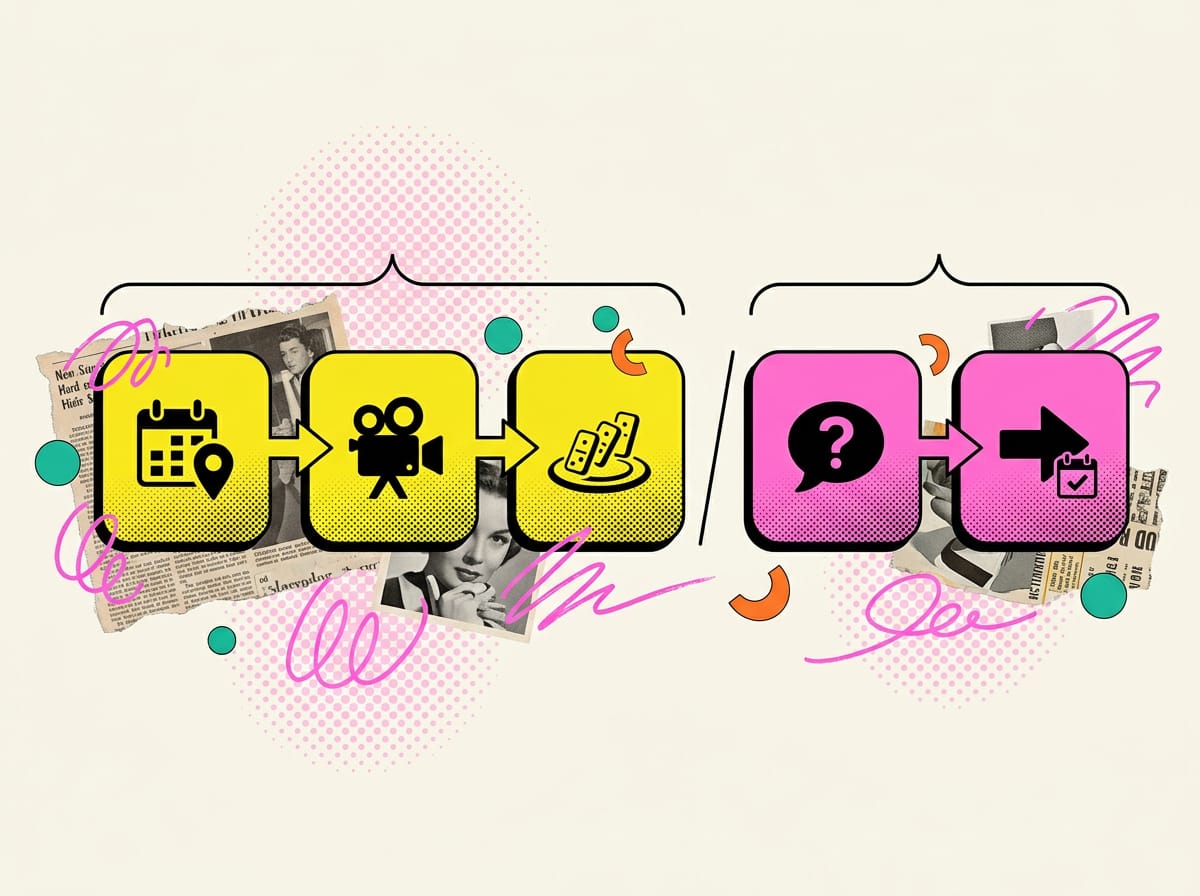
SBI stands for Situation, Behavior, Impact. The framework is simple enough to teach quickly. At Rowan University, a one-hour virtual workshop on the model produced a statistically significant improvement in three skills among the medical students who attended. They had a better grasp of what makes good feedback, they could give feedback someone could act on, and they understood the SBI framework.3 If it works for people pulling hospital shifts, it’ll work for a sales manager with twenty spare minutes on a Thursday.
Situation
Say when and where it happened. The more precise you are, the less the other person has to work out what you’re talking about.
- Yes: “Tuesday, on the 11 o’clock call with the client in Verona.”
- No: “Lately, with clients.”
Behavior
This is where it’s won or lost. Describe only what a camera would have recorded. If you need to interpret something to get to your sentence, you’re passing judgment.
| Judgment | Observable behavior |
|---|---|
| ”You’re disorganized" | "Tuesday’s quote was missing two line items" |
| "You don’t care about clients" | "Client X’s email sat unanswered for three days" |
| "You’re brilliant" | "You called the supplier before the delay turned into a problem" |
| "You’re aggressive in meetings" | "You interrupted Marta three times during her presentation” |
The right-hand column leaves far less to argue about. Someone can push back on “disorganized,” but two missing line items are two missing line items.
Impact
Spell out the concrete effect on the work, the team, the client or you. Speaking in the first person helps a lot: “When an email goes three days without a reply, I have to call the client myself to apologize, and that eats half my morning.”
Impact is the part that explains why, and knowing why makes it easier to fix. A study using internal data from an e-commerce company found that employees improved more when feedback on their weak spots used causal language, meaning it explained why a given behavior didn’t work.4
The fourth step almost everyone forgets
Situation, behavior and impact all describe the past. To change what happens next, add an open question and a precise request.
The question (“How do you see it?”) makes room for information you don’t have. The person who does a job every day knows it better than anyone, and bringing them in is the fastest route to better performance.5 The request looks ahead. Gnepp and colleagues found that managers were motivated to improve to the extent they felt the conversation focused on future actions rather than past performance.1 Add a follow-up date and the sequence is complete: event, effect, request, check-in.
How do you say “well done” so it sticks?
Describe the exact behavior you want to see again, when it happened and what it led to. A generic “well done” feels nice for ten seconds and teaches nothing, because the person can’t tell which part of what they did actually worked. Positive feedback built with SBI hands them the recipe to repeat.
The same e-commerce study found that employees improved more when they got more specific feedback on their strengths, with concrete references to the behaviors you want.4 Here, being specific works entirely in your favor.
Here’s an example. Giulia, an account manager at an eight-person agency, takes a call from a furious client over a post that went live with the old price. The generic version sounds something like “Great job with that client.” The SBI version goes like this:
“Thursday afternoon, when the client called about the post with the wrong price (S), you let him talk without cutting in, told him when the correction would be live, and at 5 p.m. you sent him a screenshot of the fixed post (B). He emailed me to thank you, and on Friday he signed off on the plan for the quarter (I). I’d like you to walk the team through it on Monday so it becomes how we handle complaints.”
A rule of thumb on where. Give positive feedback in the moment, in front of the team if you like, so everyone sees what worked. Corrective feedback always happens in private.
Correcting without wounding: corrective SBI
Corrective feedback takes three minutes to prepare, before you open your mouth. Write the three SBI lines on a scrap of paper or in a note on your phone. Then read them back and strike out adjectives and words like “always,” “never,” “usual” and “every time.” What’s left is the fact.
Pick one behavior. On weak spots, the e-commerce study turned up a counterintuitive effect. Adding more specific examples of what went wrong can make performance worse, because the person tries to change too many things at once and doesn’t learn any of them.4 One correction a week beats five in one sitting.
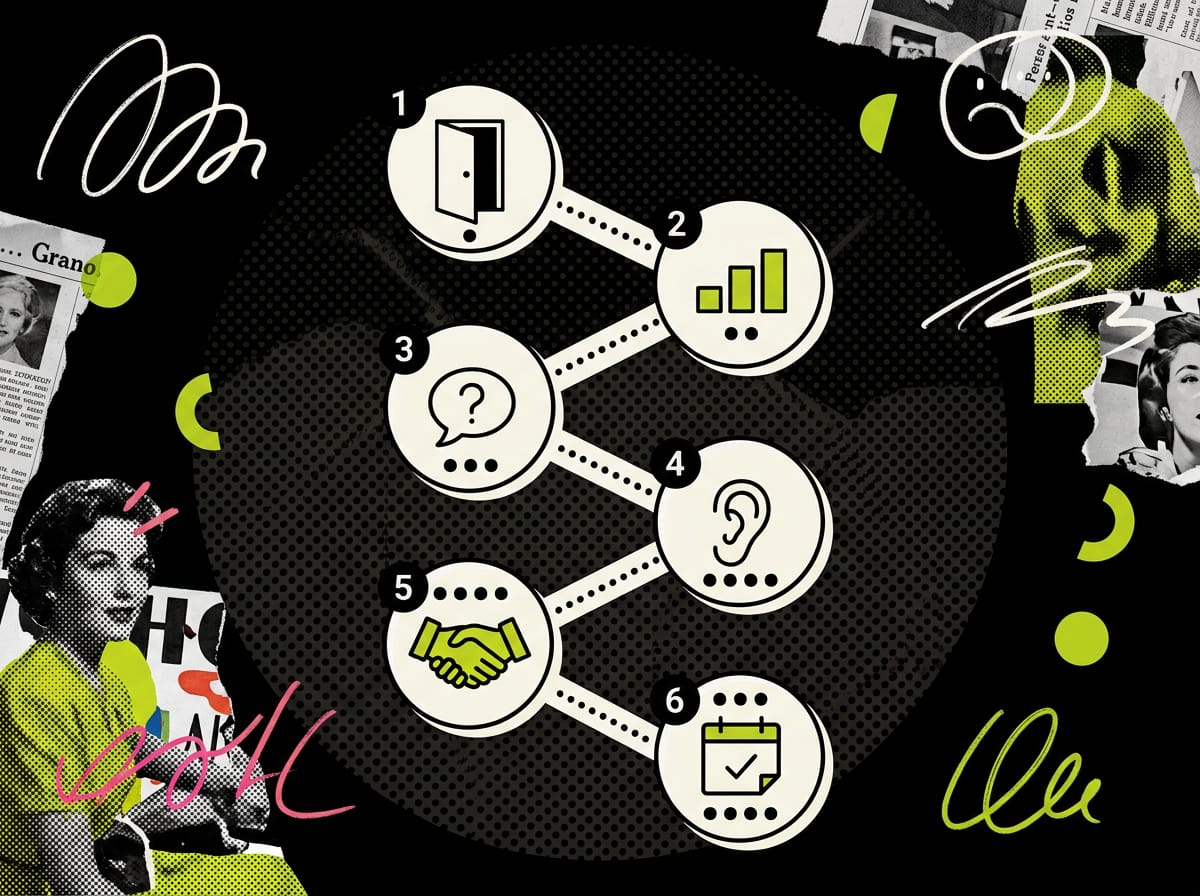
The conversation runs in six steps.
- A short opener with no preamble (“Can I grab ten minutes to talk about Tuesday’s quote?”).
- SBI in three sentences.
- An open question.
- Listening, without jumping in to rebut.
- Agreement on one concrete action.
- A follow-up date, in both your calendars.
The toughest case in a small business is the long-timer, someone who’s worked with you for fifteen years and may well be a friend. Here the relationship works in your favor. You can say so plainly: “I’m telling you this because we’ve worked together a long time and I trust you.” Then go straight into the SBI without beating around the bush.
If the conversation starts sliding into a fight, stop and book a second meeting. Feedback as conflict prevention works when it comes early, before positions harden.
The mistakes that sink even good feedback
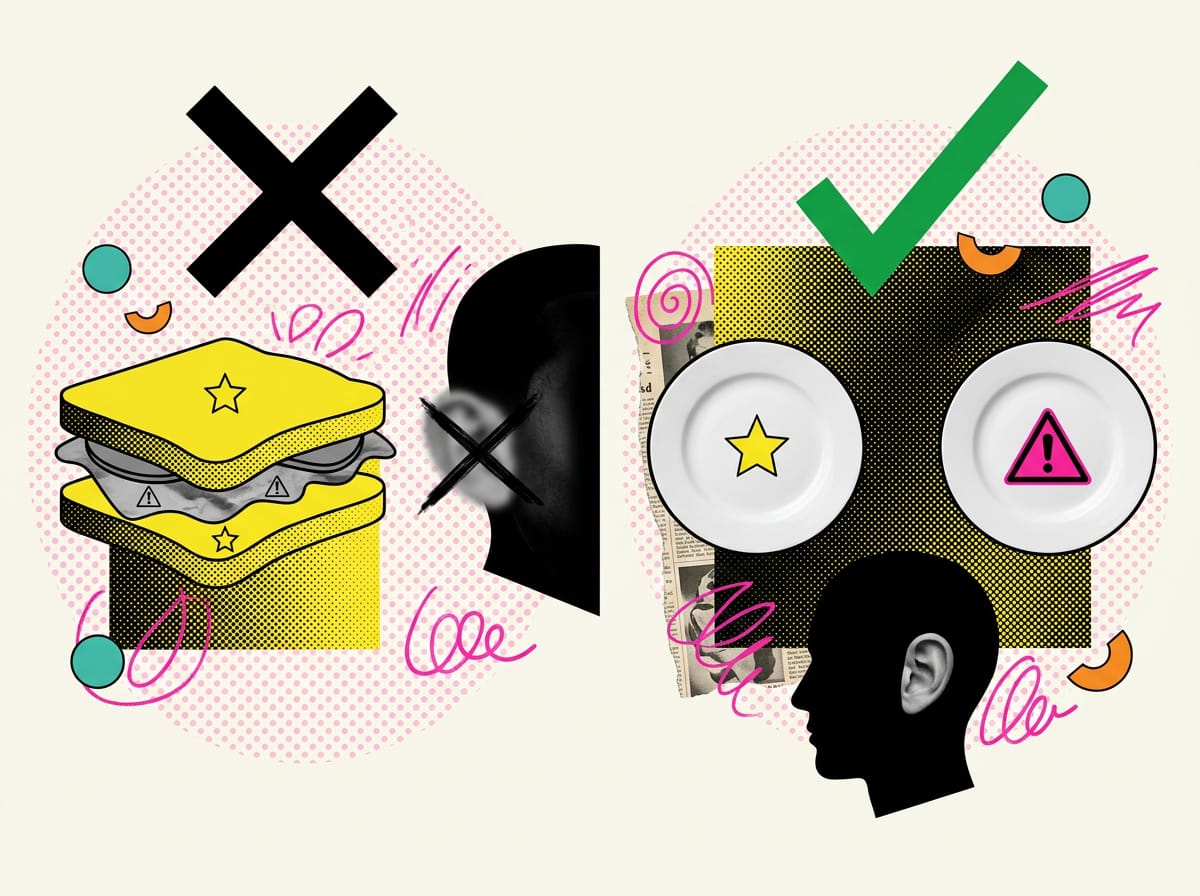
The feedback sandwich
Compliment, criticism, compliment. It’s often taught as the gentle way to correct someone. Lately, though, the method has taken a lot of criticism. The charge is that it protects the person giving feedback from the discomfort of criticizing more than it helps the employee with clear direction, and that it sends mixed signals.6
You can see the practical reason in any office. By the third time, the employee has learned that the opening compliment means criticism is coming. They stop listening to it and wait for the “but.” You lose the value of the compliment and the clarity of the correction in one go. Keep the two apart, and give positive feedback when you mean it, with its own SBI.
Generalizations
“You’re always late.” All it takes is for the person to remember one time they were on time, and the conversation turns into an argument about the calendar. There’s a mental trap worth knowing about, too. Once you’ve decided someone is careless, you mostly notice the episodes that prove it. That’s confirmation bias in feedback. Writing down the date and the specific episode protects you from yourself as well.
Feedback that arrives three months later
A botched quote from February brought up in May is ancient history. Nobody remembers the context, and the person feels like you’ve been keeping a file on them. In-the-moment feedback should happen within 48 hours, while the details are still fresh for both of you.
Five ready-made scripts for everyday small-business situations
Every script follows the same sequence. Adapt the details, keep the structure.
1. Missed deadlines
- Opener. “I need to talk to you about the deadlines on the website for the Padua client.”
- Situation. “Over the last two weeks, on the product page drafts.”
- Behavior. “The drafts due on the 3rd and the 10th came in on the 5th and the 13th.”
- Impact. “The client got the copy late and pushed back their review, so the launch slips by a week.”
- Question. “What’s slowing things down?”
- Request and follow-up. “If a deadline’s at risk, give me a heads-up two days before. Let’s check in on Friday the 24th to see how the next delivery went.”
2. The mistake that reaches the client
- Opener. “Let’s talk about the invoice that went out yesterday.”
- Situation. “Yesterday morning, when the invoice went to the Bergamo client.”
- Behavior. “It showed the amount from the old quote, without the discount we agreed in September.”
- Impact. “The client called me, unhappy, and we had to issue a credit note.”
- Question. “How do you think it slipped through?”
- Request and follow-up. “Before sending anything, check the latest written agreement in the CRM. We’ll go through the next three invoices together.”
3. Friction with a colleague
- Opener. “Can I have fifteen minutes to talk about this morning’s meeting?”
- Situation. “During the content plan presentation.”
- Behavior. “You interrupted Marta three times before she got through the budget slide.”
- Impact. “We never heard her full proposal, and we pushed the decision to next week.”
- Question. “What worried you about that proposal?”
- Request and follow-up. “At the next meeting, jot your objections down and bring them up at the end. We’ll talk again after Tuesday’s meeting.”
4. Motivation dipping
- Opener. “I wanted to see how you’re doing, because I’ve noticed a few things over the past few weeks.”
- Situation. “In the three planning meetings in October.”
- Behavior. “You didn’t put forward any topics, and when I asked for ideas you said ‘whatever you decide is fine.’”
- Impact. “I miss your ideas. They’re usually the most practical in the group, and the plan is thinner without them.”
- Question. “Is there anything about the work that isn’t sitting right with you at the moment?”
- Request and follow-up. “Bring at least one idea to the next meeting, even a rough one. Let’s grab a coffee in two weeks and see how things are going.”
Here the question matters more than the SBI. A drop in motivation often has causes the owner can’t see, and the main job of the conversation is to bring them to the surface.
5. An outstanding result
- Opener. “There’s something I want to tell you about the September campaign.”
- Situation. “In the back-from-holiday email campaign.”
- Behavior. “You split the contacts into three groups and wrote a different subject line for each, instead of the usual single send.”
- Impact. “We got twice as many quote requests as in June.”
- Question. “What gave you the idea?”
- Request and follow-up. “Could you write up the steps on one page? We’ll use it as the procedure for the January campaign.”
How often should you give feedback if you don’t have an HR department?
More often than you think, and in small doses. A fifteen-minute conversation every week or two gets you much further than a two-hour annual review. Data from the Merit Systems Protection Board, the US federal agency that studies the government workforce, all point the same way.
In its 2016 survey, 55% of employees who got timely, constructive feedback reported more effective work behaviors, against 22% of those who got weak feedback.7
The twice-yearly review is still the traditional standard at a lot of companies. Research by Kis and Tudoran, based on surveys of 1,400 employees at an international insurance company between 2020 and 2023, describes a shift toward regular conversations built on good questions, active listening and two-way dialogue.8
For an owner with eight direct reports, here’s the rhythm I’d suggest.
| Format | When | Length |
|---|---|---|
| In the moment | Within 48 hours of the episode | 2-5 minutes |
| One-on-one | Every week or two | 15 minutes |
| Review | Every quarter | 45 minutes |
Eight fifteen-minute one-on-ones add up to two hours a week. That sounds like a lot until you compare it with the time you spend fixing the same mistakes over and over.
Using AI to prepare your feedback
AI earns its keep before the conversation. The conversation itself is yours, out loud and in person. The same Behavioral Sciences study compared negative feedback from a manager with feedback from an AI system, and the AI version triggered more anger.2 Sending your employee a message written by ChatGPT is the quickest way to make things worse.
Where AI shines is turning a vent into facts. Right after the episode, dictate what you’re thinking into your phone, then paste the text into ChatGPT or Claude with this prompt.
I own a 12-person business. Below is a note I wrote in the heat of the
moment about one of my employees. Turn it into feedback using the
SBI model:
- Situation: when and where, with the date if I mention it
- Behavior: only facts a camera would have recorded
- Impact: concrete effect on the work, the team or the client, in the first person

Then, separately, list every sentence in my note that is a judgment or a
generalization ("always", "never", adjectives about character) and tell me
which fact I'd need to replace it. If a specific fact is missing, write
"MISSING" and do not make one up.
Finish with an open question and a specific request with a follow-up date.

Note: [paste here]
The “do not make one up” instruction matters. If your note just says “he’s always distracted,” the model should send you back to find the actual episode, not invent a plausible one.
The second use is a dress rehearsal. Before a tricky conversation, have the model play your employee.
Play an employee who has been with the company for 10 years and is
receiving this feedback: [paste the SBI]. Respond the way a defensive
person would, with realistic objections. After three exchanges, step out
of character and tell me which of my sentences raised the tension and
how to rephrase them.
For privacy, use initials or job titles instead of names, and never enter health data or other sensitive personal information about the employee.
Turning feedback into a team SOP
If feedback depends on the owner’s mood, the team treats it like a lottery. A written procedure makes it predictable, and predictability lowers people’s guard. It’s the same work we do when we build SOPs for small-business marketing and sales teams: start with the process, and pick the tool afterwards.
The note template lives in a shared doc or a Notion table, with six fields.
- Date and person.
- Situation.
- Behavior observed.
- Impact.
- Agreed request.
- Follow-up date and outcome.
Before any corrective conversation, run through the five checklist questions.
- Have I written the SBI and removed adjectives and “always/never”?
- Am I talking about just one behavior?
- Has it been less than 48 hours, or do I have a reason for waiting?
- Have I prepared the open question?
- Do I have a concrete request and a date to check on it?
After three months, your file of notes becomes the backbone of the quarterly review. You show up with dated episodes and requests you’ve already checked, and the conversation starts from facts. Once your managers use the same framework, effective team communication stops hinging on a single person.
Start on Monday with one positive SBI, written in three lines and said out loud in front of the team. It’s the easiest exercise there is, and it shows everyone what the corrective kind will sound like too.
Further reading
Sources
Footnotes
-
The future of feedback: Motivating performance improvement through future-focused feedback. journals.plos.org ↩ ↩2
-
Shame or Anger? The Impact of Negative Performance … - PMC. pmc.ncbi.nlm.nih.gov ↩ ↩2
-
Teaching Students to Provide Effective Feedback with the Situation … rdw.rowan.edu ↩
-
From Words to Actions: The Impact of Specificity and Causality in Narrative Feedback on Employee Performance Improvement. doi.org ↩ ↩2 ↩3
-
Metodo Sandwich con feedback. clickup.com ↩
-
The Roles of Feedback, Autonomy, and Meaningfulness in … mspb.gov ↩
-
Integrating Employee Feedback into the Continuous Improvement of Performance Management. doi.org ↩
FAQ
What is the SBI feedback model?
SBI stands for Situation, Behavior, Impact. You say when and where something happened, what the person did that you could actually see, and the concrete effect it had. Then you ask an open question and make one specific request.
Why does feedback to employees often fail?
It usually fails for three reasons. It judges the person instead of a fact. It comes too late, often at the year-end review. And it doesn't include a concrete request for what to do differently. The employee can tell something is wrong but has no idea how to improve.
How do you give negative feedback without making an employee defensive?
Talk about one specific behavior instead of labeling their character. "You're careless" makes people defend themselves. Show the concrete effect on the work or the customer, ask for their side with an open question, and agree on what happens next time.
Why does feedback from the owner hit harder in a small business?
Negative feedback from a manager mostly triggers shame, because it comes from someone with authority over the person's reputation and position. In a small business the manager is often the owner too, so the effect is even stronger and lowering the tension matters more.
How long does it take to learn the SBI model?
Not long. The structure is simple and you can learn it in an afternoon. At Rowan University, a one-hour online workshop significantly improved medical students' ability to give feedback the other person could act on.