How Much Does a Cinematic Website Cost? Real 2026 Pricing
A cinematic website costs roughly €8,000 to €49,000 in 2026: three tiers built on hours and hourly rate, and the costs that really move the price.

At €60 an hour, a cinematic website comes to about €8,000 if it’s a landing page with two or three animated scenes. A 5-8 page brand site with custom-shot video lands around €23,000. An immersive experience with 3D and multiple languages runs to roughly €49,000. Most of that bill comes down to three things: the storyboard, producing the video assets, and the hours spent on animation.
These figures come from a simple model: hours multiplied by an hourly rate, with every assumption written next to the number it drives. None of them is lifted from a price list or a market average, so you can rerun the maths with your supplier’s rate and hold it up against the quote sitting on your desk. A cinematic premium website tells a brand’s story through video, imagery and scenes that respond as you scroll. Every second of that movement has to be designed, produced and slimmed down so it loads, and each step is billed in hours. Below you’ll find the three tiers, what each line item weighs, the three-year cost, and the warning signs of a bad quote.
What a cinematic website costs in 2026, tier by tier
First, the ground rules. The model rests on these assumptions, and you can change any of them.
- An hourly rate of €60, blended across creative direction, motion design, development and project management. It’s a working assumption. Swap in your supplier’s actual rate.
- Prices exclude VAT.
- Stock and font licences, hosting and the CDN for video are left out. They belong with the site’s running costs.
- Timelines assume each person puts 30 productive hours a week into the project, plus the weeks spent on client review rounds.
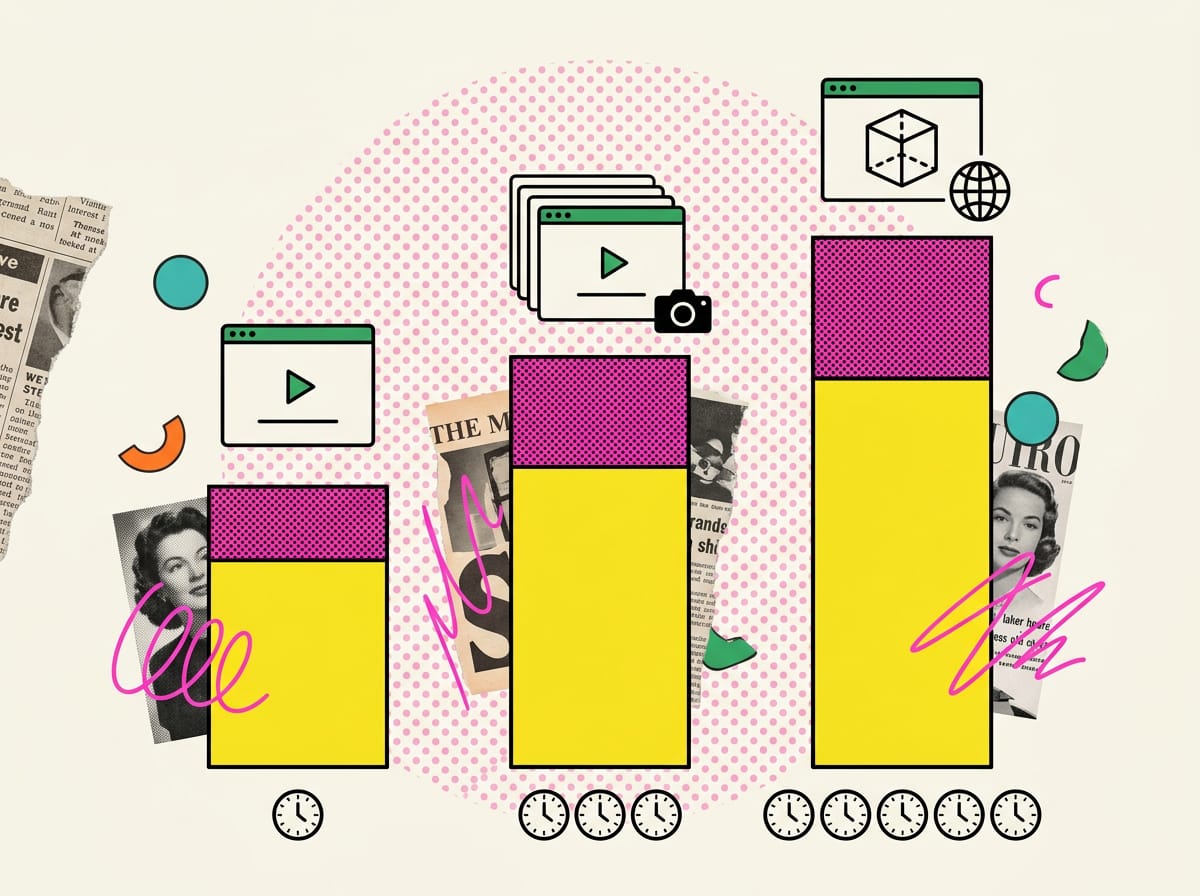
| Tier | What’s included | What’s left out | Typical timeline | Hours in the model | Price at €60/h |
|---|---|---|---|---|---|
| Essential | One cinematic landing page, stock video selected and edited, 2-3 scroll-triggered scenes, a properly finished mobile version | Custom shoots, 3D, multiple languages, blog | About 3 weeks with 2 people | 134 | about €8,000 |
| Brand | 5-8 page site, full storyboard, custom-produced video and photography, 6-8 bespoke animated scenes | WebGL and interactive 3D, multiple languages | 6-7 weeks with 3 people | 384 | about €23,000 |
| Flagship | Full immersive experience, 3D and WebGL assets, multilingual site, extended device testing | Launch campaigns and paid media | About 10 weeks with 4 people | 820 | about €49,000 |
At a blended rate of €45 an hour, the three tiers drop to roughly €6,000, €17,300 and €36,900. At €80 an hour they climb to about €10,700, €30,700 and €65,600. So the same project can be quoted at twice the price by two different suppliers, and the gap often comes from the rate before it comes from the work.
Moving from Essential to Brand changes where the footage comes from: in the first you pick and edit it, in the second you produce it. Moving from Brand to Flagship changes the technology, and in the model interactive 3D and WebGL push animation and testing hours up sharply. Page count matters less than people expect. An extra page is cheap. An extra animated scene is expensive.
The line items in a cinematic quote and what each one weighs
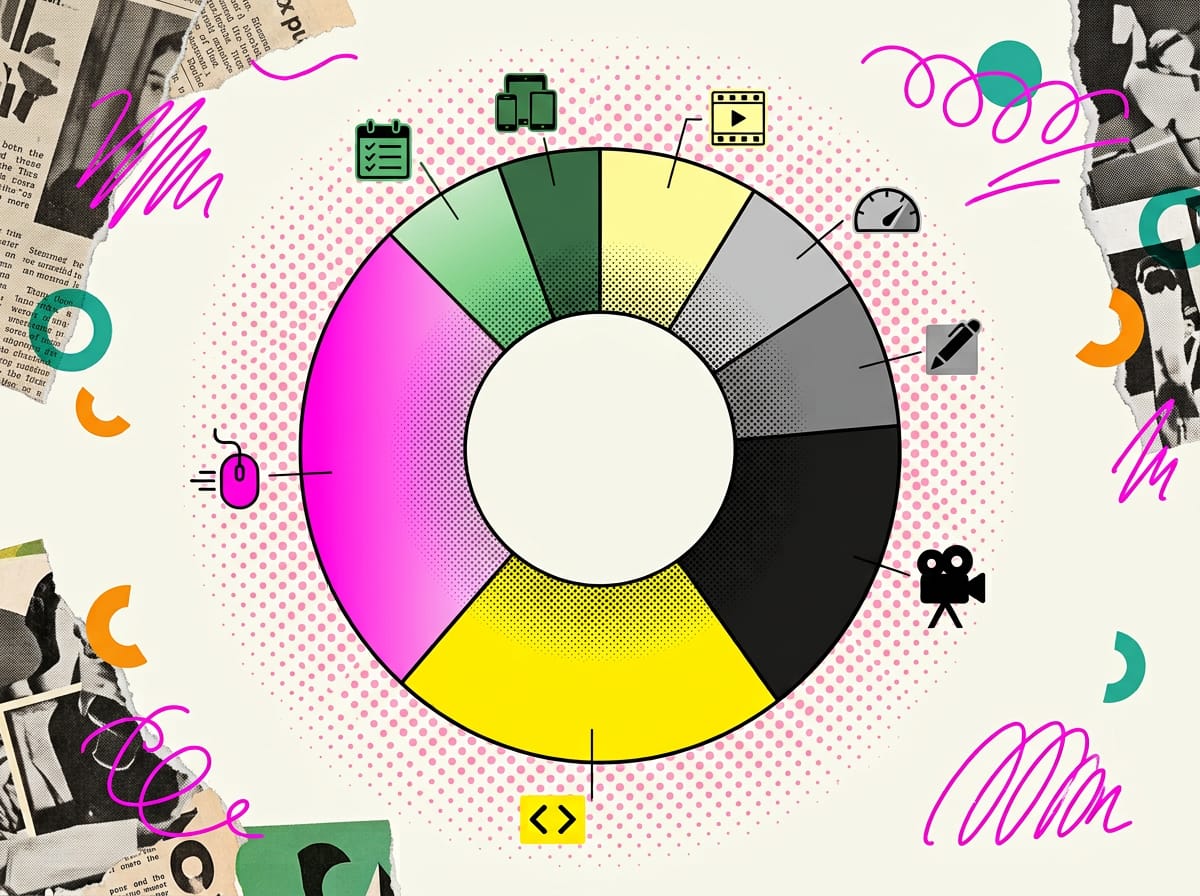
To see where the number comes from, take the Brand tier apart. In the model it’s the one designed for a small business with a product worth showing off. Its 384 hours split across eight line items. For each one you’ll see what you’re paying for, how it’s billed, its share of the total, and what happens if you cut it.
Creative direction and storyboard
A conventional website doesn’t have this line at all. In the Brand model it’s 40 hours, about 10% of the total, or €2,400. It’s billed by the day or as a fixed fee. It covers the story the site tells from top to bottom, the choice of scenes, and the storyboard that spells out what moves, when, and why.
Cut it, and the motion designer animates whatever happens to be there. You end up with a site full of effects that don’t connect, and visitors are tired of it by the second scroll.
You can draft the first version of the storyboard in-house before the kickoff call and save a few days of back-and-forth. A prompt like this one works in Claude or ChatGPT.
You are a creative director. My company makes [product] for [typical customer],
and customers choose us because [main reason]. Write a storyboard for a
6-scene cinematic home page. For each scene, describe what the visitor sees,
which element moves on scroll, which message should stick, and which asset
it needs (custom video, photo, illustration, text). Flag the scenes that need
a dedicated shoot and the ones we can build from existing material.
You still need a creative director. What changes is that they start from a brief that’s already been thought through, and the opening hours come down.
Video, photography and 3D assets
This is the second-heaviest line. In the Brand model it’s 60 hours, about 16% of the total, or €3,600, covering shooting, editing, colour grading and photography. The cost depends mostly on which level you choose.
- Custom production. Footage of your product, your factory, your people. It’s the most expensive option and the only one a competitor can’t copy.
- Curated stock. Licensed footage, chosen with care and edited together. Hours go down, licence fees go up, and your competitors can buy the very same clips.
- AI generation. Images and short clips generated and then retouched by a designer. Cheap on licences, heavy on selection time: in our experience a good share of the output ends up in the bin.
Image quality affects trust. In an eye-tracking study of three cosmetics websites, users rated the sites with high-quality images and clear product comparisons more highly, and the researchers link that visual clarity to consumer trust1. If you want to try the generative route, take a look at Design Team Credits.
Scroll-driven animation and interactions
This is the biggest line of all. In the Brand model it’s 100 hours, 26% of the total, or €6,000. Scrollytelling is paid for in motion design and front-end development hours, and the sensible way to think about it is per scene. With 8 scenes, each one takes about 12 hours, roughly €750.
That figure is useful at the negotiating table. If the quote is over budget, dropping one scene saves you about €750, while dropping a static page saves far less. The platform also shifts the hours: choosing between Webflow and Framer for a cinematic site changes how much work stays with the developer and how much you can handle yourself after launch.
Performance and Core Web Vitals
A video-heavy site is a heavy site, and getting it to load quickly takes dedicated hours. In the Brand model that’s 30 hours, about 8% of the total, or €1,800, spent on video compression, progressive loading of scenes, image formats and testing on mid-range phones.
Speed shows up in how people behave on the site. In 2022, The Boutique Agency spent three months working on site speed for roastmarket, a coffee e-commerce store. The company saw positive results on Google’s Core Web Vitals and a rise in engagement metrics such as visit duration2.
To check the work, run Google’s PageSpeed Insights on the staging site, in mobile mode, before you sign off. If this line is missing from the quote, you’ll pay for the work after launch, with a slow site already live.
Copy, SEO and AEO
A cinematic site uses few words, and every one of them has to earn its place inside a scene. In the Brand model this line is 30 hours, about 8% of the total, or €1,800. If the site carries 1,500 words, that’s about €1.20 a word, far more than a blog post.
That figure also covers headings, alt text for video, structured data and clear answers to customer questions: the layer that search engines and AI assistants actually read. A site that tells its whole story in pictures says nothing to Google or ChatGPT unless someone writes the text underneath.
Development, device testing and project management
Together, the last three lines make up 32% of the Brand model. Building the pages and the mobile version takes 80 hours, about €4,800. Testing across phones, tablets and browsers takes 20, about €1,200. Project management (meetings, review rounds, handovers) takes 24, about €1,440.
Testing carries more weight than on a conventional site, because any animation can behave differently in Safari on an iPhone and Chrome on Android. Cutting these hours brings the price down noticeably, and brings customer complaints up after launch.
The real cost shows up over three years
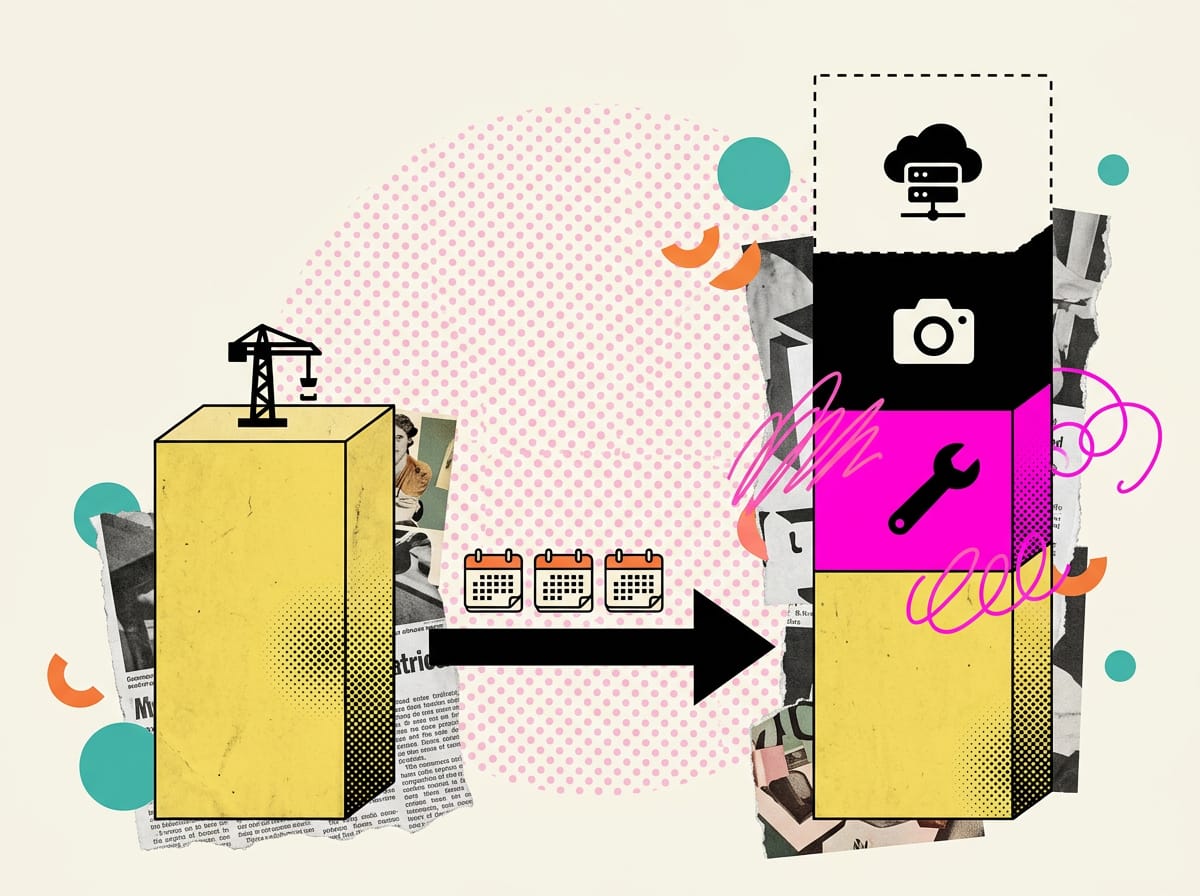
The quote covers the build. Over the next three years the site keeps costing money, and a video-heavy site costs more to run than a simple brochure site. Using the same assumptions as the model, here’s what the Brand tier adds up to.
| Item | Assumption | Annual cost | 3-year cost |
|---|---|---|---|
| Build | 384 hours at €60/h | one-off | €23,040 |
| Technical maintenance and animation library updates | 4 hours a month | €2,880 | €8,640 |
| Asset refresh (new photos, an updated video, a new scene) | 30 hours a year | €1,800 | €5,400 |
| Hosting and video CDN, font and stock licences | depends on traffic and minutes of video | get a quote | get a quote |
| Total excluding hosting and licences | €37,080 |
The three-year cost is about 60% higher than the build quote alone. Ask your hosting provider for an estimate based on minutes of video and expected monthly visits, and add it to the total before you take the numbers to your business partner or accountant.
You can build this sheet in Google Sheets in a few minutes, or have an AI assistant set it up with the prompt below.
Create a Google Sheets table that calculates the total 3-year cost of a
website. Columns: item, hours, hourly rate, annual cost, 3-year cost.
Rows: build, monthly technical maintenance, annual asset refresh, hosting,
licences. Put the hourly rate in a single cell so that changing it updates
everything. Add a row that divides the total by the average margin I make
on one customer, so I know how many customers it takes to pay for the site.
The last line of that prompt is the one that matters, and we’ll come back to it.
How to tell if a quote is inflated or suspiciously low
With the model in hand, you can read a quote line by line. A few warning signs come up again and again.
- “Animations included” with no storyboard hours. If nobody designs the scenes, somebody improvises them. Ask who writes the storyboard and how many days they’ve been given.
- Stock footage passed off as production. Ask whether there are shoot days, where, and with what crew. If the answer is vague, you’re paying production rates for licensed clips.
- No performance line. A cinematic site with no hours set aside for speed will be slow the day it goes live. Ask for a target score in the contract, measured with PageSpeed Insights in mobile mode.
- A single fixed fee with no breakdown. A fixed fee is fine, as long as the supplier can show you how they got there. If they can’t split it by line item, they probably never did.
- Unlimited revisions. Sounds generous. In practice the supplier has priced in a buffer for revisions you may never use.
- A price far below the model. A Brand-tier site for €5,000 works out, at €60 an hour, to about 83 hours, less than a quarter of the model’s 384. Either the supplier is using a template, or they’re cutting storyboard, testing and performance.
Before you meet the supplier, you can have Claude or ChatGPT go through the quote with this prompt.
Here is an agency's quote for a 6-page cinematic website with video and
scroll-triggered animation. Compare it against these reference line items,
in hours: storyboard 40, video and photo assets 60, animation 100,
development 80, performance 30, copy and SEO 30, testing 20, project
management 24. For each item, tell me whether it appears in the quote, how
many hours or euros it's given, and which items are missing. Then write five
questions to ask the agency to clear up anything ambiguous.
The five questions it comes back with are almost always sharper than the ones you’d come up with off the top of your head. If you’re putting your requirements together from scratch, it’s worth structuring your premium brand website quote around the same line items as the model, already broken down.
When is a cinematic website not worth the money?
It isn’t worth it when the three-year cost, divided by the margin you make on one customer, gives you more new customers than the site can realistically bring in. The same goes if your customers buy on price and speed. In that case a clear, fast site will do a better job than a spectacular one.
The last row of the spreadsheet does the maths. Take a bespoke furniture maker (a hypothetical example) with an average margin of €4,000 per order. To pay back the €37,080 of the Brand tier, they need about 9-10 orders attributable to the site over three years. A business that makes €150 per customer would need to find about 247 for the same site. For them, the sensible choice is the Essential tier, or a site with no animated scenes at all.
Research helps clarify what aesthetics actually buy you. In an online experiment with 281 participants, two versions of the same web app that differed only in visual design produced different results. The polished version improved perceived usability, and the data also point to a positive effect on the number of correct answers to questions about the content3. Another experiment, with 331 participants working through search, creative and transfer tasks, found no substantial effect of aesthetics on user performance. The authors still recommend investing in it for its effect on how users perceive the site4.
The practical rule I take from this for budgeting: good design wins the first impression and builds trust, while sales depend on how easy the site is to use. In the cosmetics study, dark, elegant layouts sometimes made navigation harder than light, tidy ones1. Plenty of cinematic sites go dark on purpose, so ask your supplier how they’ll keep menus, prices and contact details easy to spot within that look. A case study on the redesign of a private tutoring company’s website lists the principles of a good site as ease of use, trust, secure transactions, and respect for the way customers weigh costs against benefits5. The spectacle works when it’s built on those four.
How much does an immersive site with interactive 3D cost?
In the model that’s the Flagship tier: about 820 hours, or roughly €49,000 at €60 an hour, and between €36,900 and €65,600 at rates from €45 to €80 an hour. 3D mainly adds animation and testing hours, because every scene has to be checked across several devices and browsers.
Does the price of a premium site include hosting and licences?
Not in the model, and the quote should keep them separate too. Hosting, the video CDN, fonts and stock all depend on traffic, minutes of video and the number of licences. Ask for a yearly figure in writing and add it to the three-year cost.
Can I start with the Essential tier and grow from there?
Yes, as long as the landing page is built on a storyboard designed for the whole site. Later scenes can then reuse the style and code of the ones already built. Without that storyboard, moving up to the Brand tier often means rebuilding the landing page from scratch as well.
How does the price change for hotels and real estate?
The cost structure stays the same; what shifts is the weight of each line. On luxury hotel websites and high-end real estate websites, the video and photography line goes up, because the hotel, the venue or the property has to be shot for real and stock can’t stand in for it. In the Brand model, doubling asset hours from 60 to 120 adds about €3,600.
Does AI bring down the price of a cinematic website?
It trims the hours on some lines: the first storyboard draft, test images, reviewing the quote, copy variations. Animation, testing and performance still need skilled people. Even if you make good use of every prompt on this page, the realistic savings sit in the early stages, and the bulk of the bill stays where the table puts it.
Further reading
Sources
Footnotes
-
Determinants of Choosing an Online Cosmetics Store: An Eye-Tracking Study on the Impact of Website Aesthetics on Purchase Decisions. ersj.eu ↩ ↩2
-
Enhancing user experience: Unveiling the impact of website speed optimisation on user engagement. doi.org ↩
-
Smartphone app aesthetics influence users’ experience and performance. frontiersin.org ↩
-
Experimental investigation on the effects of website aesthetics on user performance in different virtual tasks. doi.org ↩
-
Marketing and Design Applications in Website Development. digitalcommons.imsa.edu ↩
FAQ
Why can two quotes for the same cinematic website be so different?
The hourly rate often explains the gap before the work itself does. At €45 an hour a brand site costs about €17,300; at €80 an hour it climbs to about €30,700. The same project can come in at almost double the price.
What's the difference between an essential and a brand cinematic website?
The difference is where the footage comes from. In the essential tier, stock video is selected and edited. In the brand tier, video and photos are shot specifically for you, with a full storyboard and 6-8 custom animated scenes.
Does adding pages make a cinematic website much more expensive?
No, page count matters less than you'd think. An extra page costs little. An extra animated scene costs a lot, because every second of motion has to be designed, produced and optimized for speed.
How long does it take to build a cinematic website?
An essential landing page takes about 3 weeks with 2 people, a brand site 6-7 weeks with 3 people, and a flagship experience about 10 weeks with 4 people. Add the weeks of client review on top.
Why do 3D and WebGL push the cost up so much?
Interactive 3D and WebGL nearly double the hours spent on animation and device testing. That's why moving from the brand tier to the flagship tier takes a project from about 384 to 820 hours of work.
What costs are not included in the price of a cinematic website?
Stock footage and font licenses, hosting and a CDN for video are not included: they're recurring costs of running the site. All prices are also exclusive of VAT.